Why Flossing Is Important
1. Removes Plaque Between Teeth
Plaque is a sticky film of bacteria that constantly forms on teeth. If not removed, it can harden into tartar and lead to cavities and gum disease. Flossing helps remove plaque from the tight spaces between teeth where toothbrush bristles cannot reach.
2. Prevents Gum Disease
When plaque accumulates along the gumline, it can cause inflammation known as gingivitis. If untreated, it can progress to more serious periodontal disease. Daily flossing helps keep gums healthy and reduces the risk of infection.
3. Reduces Bad Breath
Food particles trapped between teeth can lead to bacteria growth and unpleasant breath. Flossing removes these trapped particles, helping maintain fresh breath.
4. Helps Prevent Cavities
Tooth decay often begins between teeth where plaque and bacteria collect. Flossing regularly helps remove these harmful substances before they damage tooth enamel.
What Happens When You Don’t Floss?
If flossing is skipped regularly, plaque builds up between teeth and along the gumline. This can lead to:
- Cavities between teeth
- Bleeding or swollen gums
- Persistent bad breath
- Tooth sensitivity
- Periodontal (gum) disease
Over time, untreated gum disease can even lead to tooth loss.
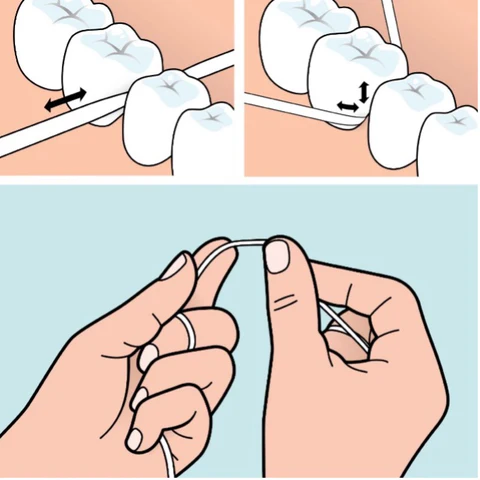
Using the correct flossing technique is important to effectively clean between teeth.
Steps for proper flossing:
- Break off about 18 inches of dental floss.
- Wrap most of the floss around your middle fingers, leaving a few inches to work with.
- Gently slide the floss between your teeth.
- Curve the floss into a C-shape around each tooth.
- Move it up and down along the tooth surface and slightly below the gumline.
- Use a clean section of floss for each tooth.
Dentists recommend flossing at least once per day as part of a complete oral hygiene routine.
Tips to Make Flossing Easier
- Floss before brushing to allow fluoride toothpaste to reach between teeth.
- Use waxed floss if your teeth are close together.
- Try floss picks or water flossers if traditional floss is difficult to use.
- Be gentle to avoid injuring your gums.
Final Thoughts
Flossing takes only a few minutes each day, but it plays a critical role in maintaining oral health. When combined with brushing twice daily and regular dental checkups, flossing helps keep your teeth strong, your gums healthy, and your smile bright.
🦷 Remember: brushing cleans the surfaces, but flossing cleans the spaces between your teeth where dental problems often begin.